
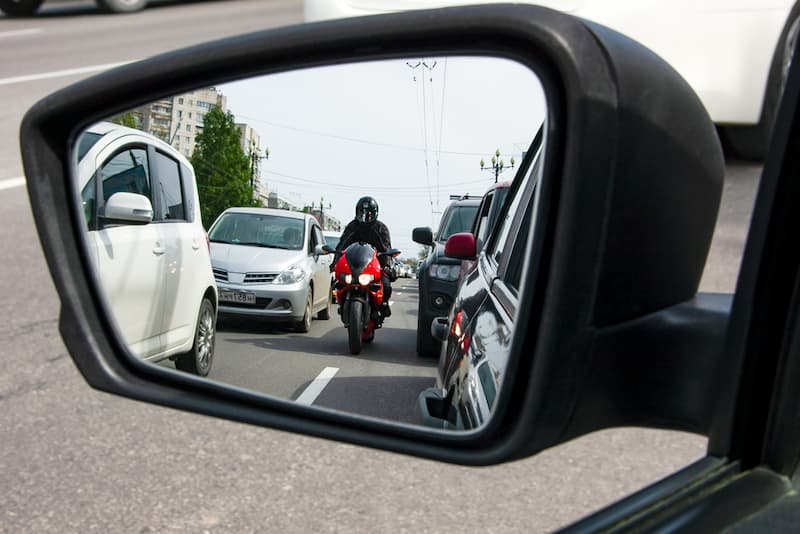
Is lane splitting legal in Georgia? No. Under O.C.G.A. § 40-6-312, motorcyclists cannot ride between traffic lanes or rows of vehicles (lane splitting), even when traffic is stopped (lane filtering).
At The McPhillip Firm, we help injured motorcyclists understand their rights after a crash. Below, we explain Georgia's lane splitting laws, potential penalties, and how a traffic violation may affect a motorcycle accident claim.
Georgia's Lane Rules for Motorcycles
Lane splitting occurs when a motorcyclist rides between lanes of traffic moving in the same direction. Georgia motorcycle laws prohibit this practice. Under O.C.G.A. § 40-6-312, riders cannot travel between traffic lanes or adjacent rows of vehicles.
However, Georgia allows lane sharing, which means two motorcycles can ride side by side in a single lane. The law also requires riders to keep their headlights and taillights illuminated while operating their motorcycles.
Where Lane Splitting Is Allowed
Motorcycle lane splitting laws vary by state. As of 2026, California permits lane splitting, while Minnesota allows it under specific speed restrictions.
Utah, Arizona, Montana, and Colorado permit certain forms of lane filtering, generally allowing motorcyclists to pass stopped vehicles at low speeds. Some states have additional restrictions or expiration dates for these laws.
Before riding across state lines, check the latest motorcycle regulations. Lane splitting and lane filtering in Georgia are not allowed.
What Are the Penalties for Lane Splitting in Georgia?
Motorcyclists caught splitting lanes in Georgia may face several penalties:
- Traffic citations
- Fines
- License points
- Increased insurance premiums
A lane splitting violation can also complicate an injury claim if the rider is involved in an accident.
How Lane Splitting Affects a Motorcycle Accident Claim
Riding between lanes doesn't automatically prevent you from recovering compensation after a motorcycle accident. Georgia follows a modified comparative fault system.
Under O.C.G.A. § 51-12-33, injured riders can recover damages if they are less than 50% responsible for an accident. However, their compensation is reduced by their percentage of fault. Riders found 50% or more responsible cannot recover damages.
For example, if you receive a $100,000 award but are found 20% responsible for the crash, your compensation would be reduced to $80,000.
Evidence can help establish what happened and who was responsible. Depending on the circumstances, this may include:
- Traffic camera or dashcam footage.
- Witness statements.
- Vehicle event data recorder information.
- Accident reconstruction findings.
- Photographs of vehicle damage and road conditions.
At The McPhillip Firm, we examine the circumstances surrounding motorcycle crashes to identify negligence and determine how Georgia's comparative fault laws may affect a claim.
If you've been injured, our Atlanta motorcycle accident lawyers can review your case and explain your legal options.
What Georgia Motorcycle Laws Require
Georgia has several motorcycle safety requirements beyond its lane splitting restrictions. Riders should understand these rules before getting on the road.
- Helmets: Under O.C.G.A. § 40-6-315, motorcycle operators and passengers must wear helmets that meet state safety standards. These requirements apply regardless of age or riding experience, subject to limited statutory exceptions.
- Eye protection: Motorcyclists must wear approved eye protection if their motorcycle doesn't have a windshield.
- Motorcycle license: Riders must have a valid Class M license or motorcycle endorsement issued by the Georgia Department of Driver Services.
- Insurance: Georgia requires minimum liability coverage of $25,000 per person and $50,000 per accident for bodily injury, plus $25,000 for property damage.
- Passengers: Motorcycles carrying passengers must have appropriate seating and passenger footrests.
- Footwear: Riders and passengers must wear shoes rather than riding barefoot or wearing only socks.
Following these requirements can help riders avoid citations and reduce certain risks on the road.
What Compensation Can an Injured Rider Recover?
Motorcycle accidents can leave riders facing substantial medical bills, missed work, and lasting injuries. Depending on the circumstances, a Georgia motorcycle accident claim may include compensation for:
- Medical expenses: Emergency treatment, hospital stays, surgery, rehabilitation, and anticipated future care.
- Lost income: Wages lost during recovery and reduced earning capacity caused by permanent or long-term injuries.
- Pain and suffering: Physical discomfort, emotional distress, and the effects of an injury on daily life. Georgia generally doesn't cap these damages in ordinary personal injury cases.
- Motorcycle and equipment damage: Repairs or replacement costs for your motorcycle, helmet, protective clothing, and other damaged gear.
- Wrongful death damages: Eligible family members may pursue compensation for the full value of the deceased person's life. The estate may also have claims for certain medical, funeral, and other expenses.
A finding of comparative fault can reduce the compensation available, making evidence of the other driver's negligence especially important.
We recommend keeping copies of medical bills, treatment records, repair estimates, and other expenses related to the accident.
What to Do After a Motorcycle Accident in Atlanta
The steps you take after a motorcycle accident can affect your recovery and any future injury claim.
- Move to safety when possible. If you're seriously injured, dizzy, or unable to move comfortably, avoid unnecessary movement and wait for emergency assistance.
- Call 911. Report the crash and request medical assistance if needed. Certain accidents involving injuries or significant property damage must be reported.
- Seek medical attention. Some injuries aren't immediately apparent. Symptoms of a traumatic brain injury or spinal cord injury may develop or become more noticeable after the crash. Atlanta's Grady Memorial Hospital is one of the area's Level I trauma centers.
- Document the scene. If you can do so safely, photograph the vehicles, damage, road conditions, visible injuries, and other relevant details.
- Get witness information. Independent witnesses may help establish how the collision occurred, particularly when drivers disagree about lane changes or right of way.
- Be careful when discussing fault. Stick to the facts when speaking with police. Consider speaking with an attorney before providing a recorded statement to the other driver's insurer.
Why Atlanta Motorcyclists Choose The McPhillip Firm
At The McPhillip Firm, a local black-owned law firm, we prepare motorcycle accident cases with the possibility of trial in mind from the beginning. This approach helps us build strong claims supported by evidence and prepare for disputes with insurance companies.
When you work with our team, we:
- Consult accident reconstruction specialists, biomechanical experts, and life-care planners when needed.
- Handle communications and negotiations with insurance companies.
- Review available insurance coverage, including uninsured and underinsured motorist policies.
- Investigate the accident to identify potentially responsible parties and evidence of negligence.
- Work on a contingency fee basis, meaning you pay no attorney fees unless we recover compensation for you. Clients may remain responsible for certain case costs and expenses regardless of the outcome.
Our Atlanta office is located in Midtown at 730 Peachtree Street NE. We're proud to have earned a 4.9-star Google rating from our clients. If you were injured in a motorcycle accident, contact The McPhillip Firm for a free case evaluation.
Frequently Asked Questions
Is lane filtering legal in GA?
Can a car driver crowd me out of my lane?
Can I pass a slower car without leaving my lane?
Are there any exceptions to Georgia's helmet law?
What if the driver who hit me had no insurance?
Your uninsured motorist coverage may provide compensation if the at-fault driver has no insurance. Under O.C.G.A. § 33-7-11, underinsured motorist coverage may also apply when the other driver's liability limits are insufficient to cover your damages.
We can review available policies, including certain policies held by household relatives, to identify potential sources of compensation.
How long do I have to file a motorcycle accident lawsuit in Georgia?
In most cases, Georgia's statute of limitations gives injured motorcyclists two years from the date of injury to file a personal injury lawsuit under O.C.G.A. § 9-3-33.
However, exceptions may apply. Claims involving government agencies often have much shorter notice deadlines. We recommend speaking with an attorney promptly to protect your right to pursue compensation.
Talk With an Atlanta Motorcycle Accident Attorney
So, is lane splitting legal in Georgia? Lane filtering and motorcycle lane splitting are prohibited, but a traffic violation doesn't automatically prevent an injured rider from seeking compensation.
At The McPhillip Firm, we investigate motorcycle accidents, evaluate liability, and pursue compensation for injured riders throughout the Atlanta area. If you've been hurt in a motorcycle crash, call (866) TMF-WINS for a free case evaluation. We'll review what happened, answer your questions, and explain your options under Georgia law.
No fees unless we win • Confidential consultation • Available 24/7